


How Macular Degeneration Affects Central Vision
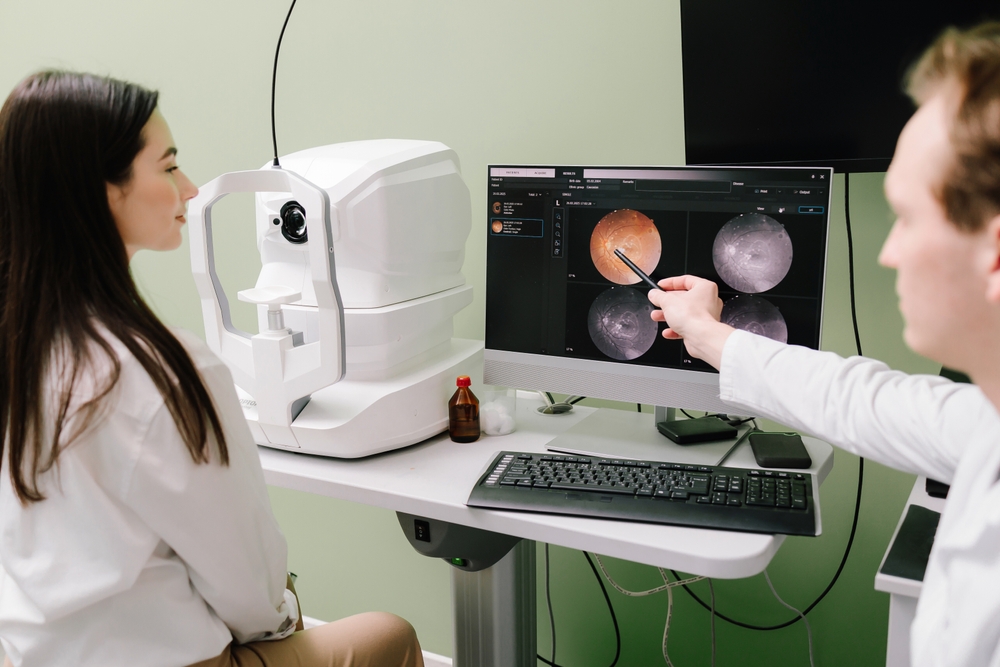
Macular degeneration is one of the leading causes of vision loss, particularly among adults over 50. This progressive eye disease affects the macula, the small part of the retina responsible for clear, central vision. Understanding how macular degeneration impacts your eyesight and the importance of early detection can help preserve your vision and quality of life.
Understanding Macular Degeneration
The macula allows you to see fine details and perform everyday tasks such as reading, driving, and recognizing faces. When macular degeneration develops, this area begins to deteriorate, causing blurred or distorted central vision. Peripheral vision often remains intact, but the loss of sharp, central sight can significantly impact daily activities.
There are two main types of macular degeneration:
• Dry (atrophic) macular degeneration: The more common form, caused by thinning of the macula over time.
• Wet (neovascular) macular degeneration: A less common but more severe form that occurs when abnormal blood vessels leak fluid or blood under the retina.
Warning Symptoms to Watch For
Macular degeneration often develops gradually, so early symptoms may be subtle. Common warning signs include:
• Blurred or fuzzy central vision
• Straight lines appearing wavy or distorted
• Difficulty seeing in low light
• Needing brighter light for reading or close work
• A dark or empty spot in the center of your vision
If you notice these changes, schedule an appointment with your eye doctor in San Antonio right away for a thorough evaluation.
Early Detection Is Key
Since macular degeneration can progress without pain or noticeable symptoms in its early stages, routine eye exams in Shavano Park are crucial for early detection. Advanced diagnostic technology allows eye doctors to identify subtle changes in the retina before vision loss becomes significant. Early detection gives you more options for managing the condition and slowing its progression.
Managing Macular Degeneration
While there’s currently no cure for macular degeneration, ongoing eye disease management in Potranco can help protect your remaining vision. Treatment options may include:
• Nutritional supplements formulated for macular health
• Lifestyle changes like quitting smoking and eating a diet rich in leafy greens and omega-3s
• Medications or injections to reduce abnormal blood vessel growth in wet macular degeneration
• Low-vision aids and vision therapy to enhance quality of life
Your eye doctor will create a personalized management plan tailored to your specific needs and type of macular degeneration.
Get Expert Care for Macular Degeneration in San Antonio
Macular degeneration can significantly impact your central vision, but early detection and proactive management can make a major difference. Regular eye exams and expert care are your best defense against vision loss.
Schedule your eye exam at Lauren Alexander Vision Source to identify and manage macular degeneration before it progresses. Contact our office in Shaven Park or Potranco, located in San Antonio, Texas. Please call (210) 239-2020 or (210) 317-2020 book an appointment today.


Shavano Park
| Monday - Friday** | 9:00am - 6:00pm |
| Saturday** | 10:00 am - 5:00 pm |
| Sunday (Selective Sunday) | 12:00pm - 4:00pm |
Potranco
| Monday - Friday** | 9:00am - 6:00pm |
| Saturday** | 10:00 am - 5:00 pm |
| Sunday (Selective Sunday) | 12:00pm - 4:00pm |

At Lauren Alexander Vision Source, We provide the highest quality optometry services and compassionate eyecare to ensure you and your family are healthy and happy.
© 2026 Lauren Alexander Vision Source. All Rights Reserved. Accessibility Statement - Privacy Policy - Sitemap
Powered by:
