


How Modern Eye Exams Detect Health Issues You Didn’t Know About
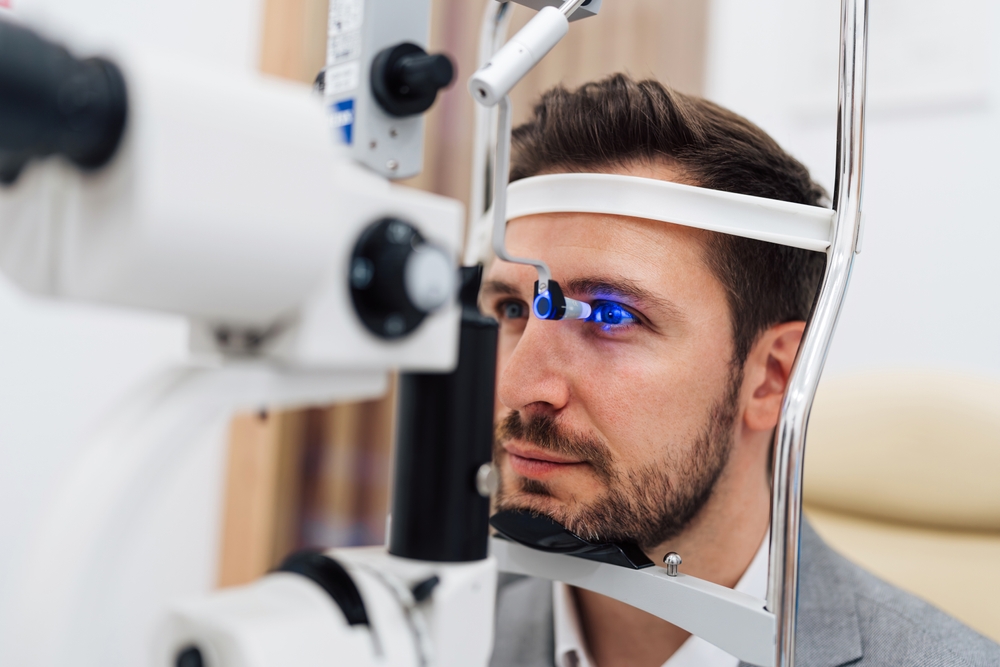
When most people think of an eye exam, they think of updating their glasses or contact lens prescription. With today’s advanced diagnostic technology, a comprehensive eye exam can reveal early signs of serious eye conditions and even systemic health issues - often before you notice any symptoms at all.
What Is a Comprehensive Eye Exam?
A comprehensive eye exam is a thorough evaluation of both your vision and overall eye health. Unlike a basic vision screening, it goes beyond reading letters on a chart to assess how well your eyes function and to detect early signs of eye disease and systemic health conditions.
During a comprehensive eye exam, your eye doctor evaluates:
• Visual acuity to determine how clearly you see at various distances
• Eye alignment and focusing ability
• Eye muscle coordination
• Eye pressure to help screen for glaucoma
• The health of the retina, optic nerve, and surrounding structures
Comprehensive eye exams are recommended annually for most adults and children, especially for individuals with diabetes, high blood pressure, a family history of eye disease, or vision changes. Even if your vision feels fine, routine exams play a critical role in protecting both your eyesight and your overall health.
Advanced Diagnostic Technology Used in Modern Eye Exams
Modern eye exams rely on advanced diagnostic technology to detect eye diseases and health conditions earlier and more accurately than ever before. These tools allow eye doctors to see beyond the surface of the eye and identify subtle changes that may not yet be affecting vision.
Optical Coherence Tomography (OCT) captures detailed cross-sectional images of the retina and optic nerve, similar to an ultrasound that uses light instead of sound. This technology helps detect and monitor conditions such as glaucoma, macular degeneration, diabetic eye disease, and optic nerve damage related to neurological conditions.
The optomap® retinal exam provides a wide-field image of the retina, allowing doctors to view a much larger portion of the eye in a single scan, often without dilation. This comprehensive view helps identify retinal tears or detachments, diabetic retinopathy, early macular degeneration, and changes in retinal blood vessels that may be linked to systemic health issues like cardiovascular disease.
Visual field testing evaluates peripheral vision, which is commonly affected first in conditions such as glaucoma and certain neurological disorders. Because peripheral vision loss develops gradually and often goes unnoticed, this test plays a critical role in detecting early vision changes caused by glaucoma, stroke, brain injury, or other neurological conditions.
Together, these advanced diagnostic tools allow for earlier detection, more precise monitoring, and timely treatment - helping protect both vision and overall health.
Why Early Detection Matters
Many eye and health conditions are progressive, meaning they worsen over time if left untreated. Modern eye exams give doctors the ability to:
• Detect disease earlier
• Monitor changes with precision
• Customize treatment plans
• Help preserve vision and overall health
Protect Your Vision With Advanced Eye Care
Today’s eye exams are an essential part of proactive healthcare. With advanced diagnostic technology like OCT, optomap® retinal imaging, and visual field testing, modern eye exams can uncover hidden issues long before symptoms appear. These tools empower early intervention, protect your sight, and support your overall well-being.
Contact Lauren Alexander Vision Source to schedule a comprehensive eye exam and experience the benefits of modern, technology-driven eye care. Visit our office in Shaven Park or Potranco, located in San Antonio, Texas. Please call (210) 239-2020 or (210) 317-2020 book an appointment today.


Shavano Park
| Monday - Friday** | 9:00am - 6:00pm |
| Saturday** | 10:00 am - 5:00 pm |
| Sunday (Selective Sunday) | 12:00pm - 4:00pm |
Potranco
| Monday - Friday** | 9:00am - 6:00pm |
| Saturday** | 10:00 am - 5:00 pm |
| Sunday (Selective Sunday) | 12:00pm - 4:00pm |

At Lauren Alexander Vision Source, We provide the highest quality optometry services and compassionate eyecare to ensure you and your family are healthy and happy.
© 2026 Lauren Alexander Vision Source. All Rights Reserved. Accessibility Statement - Privacy Policy - Sitemap
Powered by:
