
Skip to content
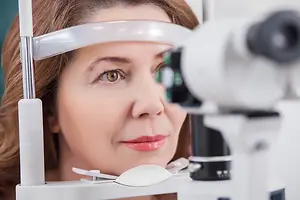
A woman using an eye examination machine in a clinical setting
Your Prescription Is Only One Part of the Exam

Comprehensive Eye Exams in San Antonio, TX

QUICK LINKS

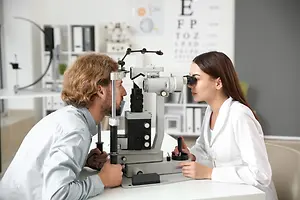
A man and woman wearing white lab coats are looking into a microscope together at an eye clinic
Your Prescription Is Only One Part of the Exam

Clear Vision Starts With the Right Information

Vision changes gradually. Most people do not notice small differences until they begin affecting everyday tasks like reading, driving, or working on a computer.

A comprehensive eye exam measures how well you see while also evaluating the health of your eyes. Your eye doctor looks at how your eyes work together, checks your prescription, and examines the structures inside your eyes for changes that cannot be seen in the mirror.

From pediatric and family eye care to adult and senior exams, this combination of vision testing and medical evaluation makes comprehensive eye exams one of the most valuable steps your whole family can take to protect long-term eye health.

Every Eye Exam Answers More Than One Question

A comprehensive eye exam provides more than an updated prescription — it is an ongoing evaluation of how your eyes are changing over time.

  • Adult Eye Exams: Your vision changes throughout adulthood, even if those changes happen slowly. Regular eye exams help keep your prescription current while monitoring your eye health over time.
  • Pediatric Eye Exams (Ages 7+): Children do not always realize their vision has changed. Comprehensive eye exams help identify vision problems that may affect learning, sports, and everyday activities while monitoring for conditions such as myopia.
  • Senior Eye Care: As we age, the risk of developing eye diseases such as glaucoma, macular degeneration, diabetic eye disease, and cataracts increases significantly. Routine senior eye exams allow your doctor to monitor changes associated with aging and recommend treatment at the earliest opportunity — often before symptoms develop.


What Happens During a Comprehensive Eye Exam?

Every exam begins with a conversation about your vision, medical history, lifestyle, and any changes you have noticed.

Depending on your needs, your visit may include:

  • Vision testing and prescription evaluation
  • Digital refraction
  • Auto-refractor measurements
  • OCT imaging
  • Optomap® retinal imaging
  • Visual field testing
  • Eye pressure testing
  • Evaluation of the retina, optic nerve, and overall eye health

Each test provides different information. Together, they help create a complete picture of your vision and eye health rather than relying on a single measurement.

Our Shavano Park location also features the Maya Myopia System for advanced myopia monitoring, along with dedicated dry eye technology including Lumenis IPL—tools that allow our team to go further when your eyes need it.

If your exam includes contact lens wear, a separate contact lens exam and fitting ensures the best possible fit and comfort for your prescription and lifestyle.

Senior Eye Care: Protecting Vision Over a Lifetime

The risk of many serious eye conditions, including glaucoma, age-related macular degeneration, diabetic eye disease, and cataracts, increases with age. Many of these conditions develop slowly and may not cause noticeable symptoms in their early stages.

Senior eye care at Lauren Alexander Vision Source includes comprehensive medical eye exams, advanced imaging with OCT and Optomap® retinal imaging, and monitoring designed to detect changes early. Every visit builds on your prior records, making it easier to recognize subtle shifts and recommend care before conditions progress.

Whether you are monitoring an existing condition or simply maintaining your annual exam routine, senior eye care is one of the most important investments in your long-term vision health.

Meet Dr. Hannah Trinh

Dr. Hannah Trinh brings a focused clinical interest in comprehensive eye exams, ocular disease screening, and preventative eye care—the core of what this page is about. She earned her Bachelor of Science in Neuroscience from the University of Texas at Austin and her Doctor of Optometry from the University of Houston College of Optometry.

A personal connection to retinal health, a close family member's history of retinal detachment, strengthened her commitment to thorough eye health evaluations and early detection. Her approach emphasizes understanding your eyes over time, not just updating a prescription at each visit.

Common Reasons Patients Schedule an Eye Exam

Blurry Vision

Difficulty seeing clearly at distance or up close may signal a change in your prescription or an underlying eye health condition worth evaluating.

Frequent Headaches

Headaches linked to reading, screen use, or other close tasks may be connected to uncorrected vision problems or eye strain.

Eye Strain & Floaters

Tired eyes, difficulty focusing, or seeing floaters or flashes of light are common reasons patients schedule a comprehensive eye exam.

Trouble Driving at Night

Difficulty seeing clearly in low light or at night may indicate a change in your prescription or the early development of an eye condition.


Your Eyes Change. Regular Exams Help You Keep Up.

Routine eye exams provide more than an updated prescription. They create a long-term record of your eye health, making it easier to recognize changes, answer questions about your vision, and recommend care before problems begin affecting your daily life.

Whether you are looking for an annual eye exam, an adult vision exam, senior eye care, or an eye doctor for your child's next visit, Lauren Alexander Vision Source is here to help you protect your vision for years to come.